
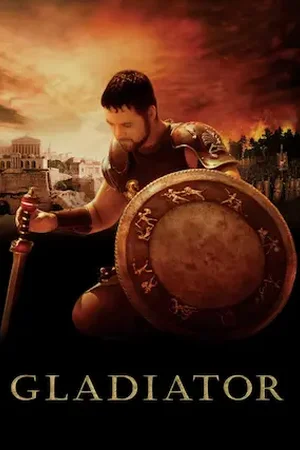
Where was Gladiator filmed
Gladiator
Year: 2000
Genre: Action, Drama, Historical
Country: Malta
Filming took place in Germany (Opening Battle Scenes) and Malta (All Filming of Ancient Rome). The Colosseum was built specifically for the film - this is a copy of the real Colosseum, and historically correct, a copy is also located in Malta in Fort Ricasoli.
If you have suggestions for improving information about locations, you can make them using the editing function.
Locations
Ancient Rome
In movie
Scene where the gladiators, along with Maximus, enter Rome by cart. They are taken at once to the Roman Colosseum, so that they, as the best of the best, will continue to fight in the largest arena of the empire. Now the Emperor himself will be watching their battles.
Real
Scene was shot like all of Ancient Rome, in Fort Ricasoli, which is located in Malta. This is one of the largest forts in the region. To be true, he is in a slightly different state than shown in the film. To renovate the fort, many statues were placed, a road was made and the necessary buildings were completed. In general, all changes cost almost a million dollars.
Aït Benhaddou
In movie
Scene where The fictional market town of Zucchabar, located in a Roman province of North Africa (modern-day Algeria). This spectacular fortified village serves as a bustling, vibrant setting for the early gladiator fights and the harsh realities of Maximus's enslavement and gladiatorial career.
Real
Scene was shot Ksar of Aït Benhaddou, Ouarzazate Province, Morocco
Bourne Wood
In movie
Scene where The opening battle scene, where Maximus Decimus Meridius leads the Roman army in a monumental clash against the Germanic tribes, establishing a benchmark for depicting large-scale historical conflicts. This intense and visually striking sequence sets the tone for the epic narrative, showcasing the brutal realities of ancient warfare.
Real
Scene was shot Bourne Wood, Tilford, Farnham, Surrey, England
Germany
In movie
Scene where General Maximus encourages his army by reading them a speech. They are in the forests of Germany fighting tribes of savages, guarding the Roman Empire. Along with him, the Emperor Marcus Aurelius is there.
Real
Scene was shot Bourne Wood is an area of predominantly coniferous forest south of Farnham. It was known as Clumps by the locals, until the forestry commission changed the name in the 1950s. Since 1999, part of Bourne Wood has often been used as a shooting location for films, TV series and music videos, it is known especially for the battle scenes from the Gladiator movie.
House of General Maximus
In movie
Scene where Tired General Maximus goes home after a big battle to get some rest and see his wife and son. He walks through a wheat field and runs his hand over the ears.
Real
Scene was shot A wheat field near the small Italian village of San Quirico d'Orcia, namely at the farm of Gena Borborini Maria Eva. It was chosen for the great view and endless fields to be shown in the shot, as well as for the large farmhouse, which was architecturally perfect for the Roman era.
Valletta Ditch (under one of the bridges)
In movie
Scene where A specific scene, captured beneath one of the grand bridges traversing the Valletta Ditch. While the exact context isn't fully detailed in the text, the deep, wide moat, originally designed for defense, offered a dramatic and atmospheric architectural backdrop, likely used for scenes requiring enclosed or shadowed stone structures.
Real
Scene was shot Valletta Ditch, Valletta, Malta
Zucchabar
In movie
Scene where Roman province, where the wounded Maximus is brought, he is now a slave and it is explained to him that his main task is to fight in the arena to the delight of the audience and if he does it well, sooner or later he will be able to get freedom.
Real
Scene was shot in Ait Ben Haddou is an aigrem, a fortified village located along the former caravan route between the Sahara and Marrakech in Morocco. Most of the citizens, attracted by the tourist trade, live in more modern dwellings in the village across the river, although four families still live in the ancient city. Ait Benhaddou has been a UNESCO World Heritage Site since 1987.